
Car Betting Game: inside Rush Hour and the CCTV line-up
The car betting game people are looking for is Rush Hour by 155 Media Studios, not motorsport betting and not a car giveaway. You watch a live road camera, and you bet on how many vehicles cross a detection zone in about 55 seconds, choosing Under, Over, Range or Exact. The published return band is 90.00–92.16 %, and the same studio runs eleven more real-world titles with their own published figures, from Footfall at 94.00 % to Fast Lane at 92.95 %.
 Rush Hourthe title; a count of vehicles on a live road camera
 28 Jan 2026debut of the CCTV Game genre by 155 Media Studios
 Hub88exclusive aggregation partner for Rush Hour since 26 Feb 2026
 4 marketsUnder, Over, Range and Exact on every round
 ≈55 sone round; about 65 rounds an hour, 24/7
 90.00–92.16 %return band published by the studio for Rush Hour
The game behind the phrase
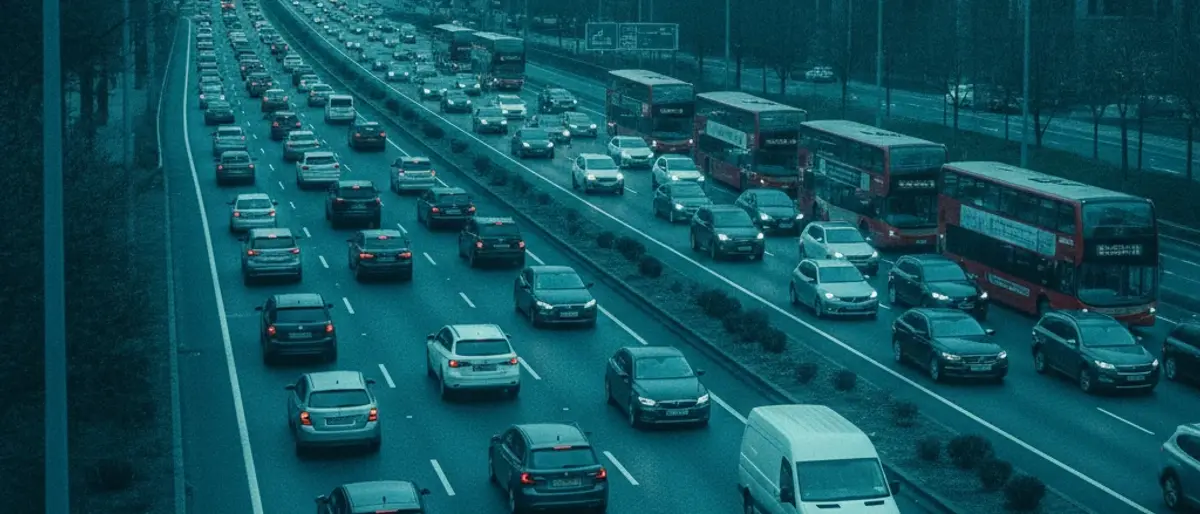
Type "car betting" into a search box and most of what comes back is either odds on a race, Formula 1, NASCAR, rally, a winner and a podium, or a prize draw where the ticket wins a vehicle. The car gambling game this page is about is neither. Nobody races. Nobody wins a car. The vehicles on screen are commuters, delivery riders, taxis and buses, and the only thing you stake on is how many of them cross a line in the next 55 seconds.
The product is Rush Hour, the debut title of a genre 155 Media Studios calls the CCTV Game, launched on 28 January 2026. A fixed camera on one of seven city roads streams around the clock; a detection zone is drawn over the frame; a computer vision model counts each vehicle that crosses the zone boundary; the count settles four markets. Since 18 February 2026 it has been live at Stake, Shuffle and Roobet, distributed exclusively through Hub88 from 26 February 2026.
Worth saying plainly, because the search results around "car gamble" are full of slot machines with car themes: there is nothing of a slot in this game, no spinning symbols, no bonus round, no random number generator. There is a street, a rectangle and a clock. The cars passing page explains what counts as a vehicle; the traffic cameras page explains what the model sees.
A tour of the interface
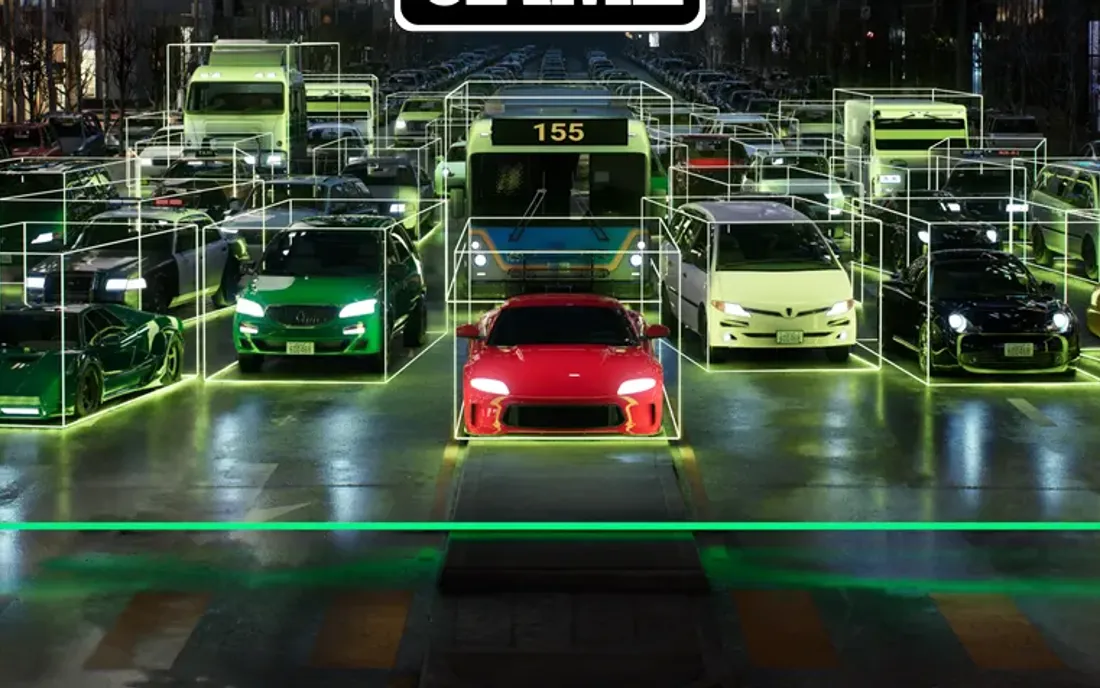
Our mock-up of the lobby layout over the official Rush Hour artwork (poster: 155 Media Studios). Overlay illustrative; the real lobby belongs to the operator.
The screen reads top to bottom in the order a round unfolds. At the top is the live frame with a timecode, the same picture the model is watching, with a running clock so you know the footage is not a loop. Over it sits the detection zone, a rectangle with a visible edge. Only that edge matters: a vehicle inside the rectangle is not yet counted, a vehicle that has crossed out of it is.
In one corner is the vehicle counter, which ticks up by one per crossing and nothing else. Next to it runs the round timer, a window of about 55 seconds, after which the count freezes and betting on the next round opens. Below the frame is the market panel: Under and Over a line set for that feed, a Range band around the line, and Exact on a single number, each with its price. The line is different on every feed because every camera and zone has its own baseline.
Tap a market, set the stake, and the bet confirmation shows what you backed and at what price, with the round still open and the counter still moving. When the clock runs out, the settlement screen shows the final count, the markets that paid, and the revealed seed behind the SHA-256 commitment published before the close. That last element is what lets a round be checked afterwards by its ID, and it is the one part of the screen most players never open. The whole cycle, from open market panel to settlement, takes about a minute, and the next round is already counting by the time you read the result.
See the lobby for yourself
Rush Hour has been in the Stake, Shuffle and Roobet lobbies since 18 February 2026. Watch one count settle before you stake anything.
Retention mechanics on top of the round
The basic round is simple enough to explain in one sentence, so the studio layers a platform on top of it. Lightning Rounds are boosted rounds with a rarity scale from Common to Legendary. Streak Multipliers add a bonus for a run of wins and a comeback bonus after a run of losses. Player Leveling awards XP for play, Daily Check-Ins reward showing up, and a Player Inventory holds what those systems hand out. Operators can plug in a Free Bets API, and Exotic Bet Options add Pick Winner, Forecast and Tricast markets alongside Fixed and Equal Odds. The platform runs in multiple currencies and 15+ languages.
Each of these is a reason to stay in the lobby for one more round, which is exactly what they are for. None of them changes the published return. A Lightning Round is still settled on the same count by the same model; a streak multiplier pays out of the same margin; a level is a label on your account, not on the odds. The studio publishes 90.00–92.16 % for Rush Hour and that figure describes the long run with or without the decorations. With about 65 rounds an hour, the decorations mostly change how fast the long run arrives, which is what stakes and limits is about.
Feel, not figure. Retention features shape how the game feels round to round. The published return band is the only number that describes what it pays over time.
What the published return band means
155 Media Studios publishes the return of Rush Hour as 90.00–92.16 %. It is a band and not a single figure because the return depends on which market you take: Under and Over, Range and Exact sit at different points inside it, and the mix of markets a player actually bets decides where in the band their own long run lands. Stake 100 units many times over and the expectation is to get back between 90.00 and 92.16 of them; the rest is the operator's margin, and everything else is variance.
The useful thing about a studio that publishes is that its titles can be compared on the same basis. Footfall, the crash-style game on a live street feed, is published at 94.00 %. Survivor sits at 95.39–96.47 %, Snake at 91.87–96.42 %, Rolling Dunes at 90.26–95.90 %, Fast Lane at 92.95 %, Fish Tank at 91.10–92.12 %, Stairpong at 90.62–91.64 %, Coin Flip at 90.91 % and Marble Plinko at 87.81–93.25 %. Rush Hour is in the lower half of that table, which is worth knowing before the live footage makes it feel like a better deal than it is.
The comparison to make is between published bands, not between impressions. "A real street instead of a random number generator" is a fact about transparency, and transparency is not value. The band is the price of the show; the street does not lower it.
The band is on the screen too
Open a feed and find the published return in the game info before the first round. Rush Hour: 90.00–92.16 %, set by 155 Media Studios, not by the operator.
The rest of the line-up


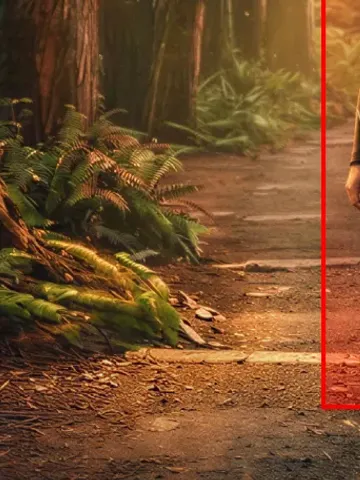





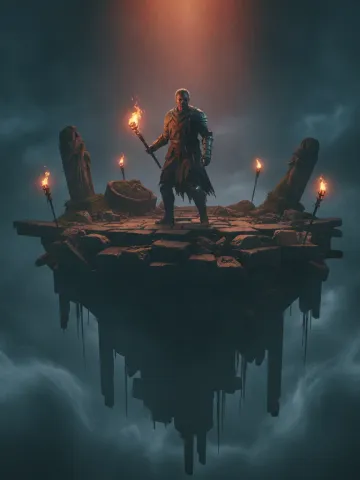
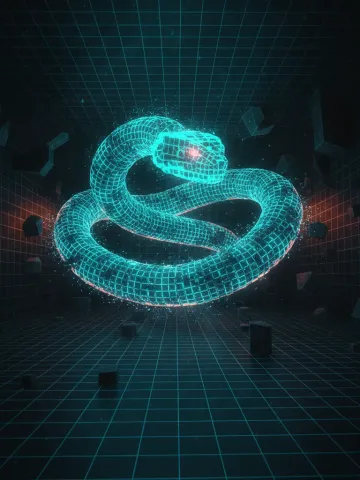

Cover art: 155 Media Studios (155.io). Figures are the studio's published returns, checked 21 August 2026; Duck River and Snow Run have no published band on the showcase.
Rush Hour is the first of a CCTV family, all built on the same idea of settling a bet on something a live camera can count. Snow Run counts skiers on a slope; it debuted on 31 March 2026, ran for its first seven days as a Roobet exclusive, and pays multipliers up to 18×. Duck River watches a river feed. Footfall, announced on 31 July 2026, is a crash-style game on a live street feed with no multiplier ceiling and cash-out at any moment, published at 94.00 %.
The other half of the catalogue is physical-track play filmed in the studio: Fish Tank, Stairpong, Rolling Dunes, Fast Lane, Snake, Marble Plinko, Coin Flip and Survivor, each with its own published band shown on the covers above. Everything runs 24/7 from the studio's own facility, and new round-the-clock games are added monthly. Which of them a given lobby carries is an operator decision; the operators page tracks that by date.
FAQ
What is the car betting game?
Rush Hour by 155 Media Studios: a live game where you bet on how many vehicles cross a detection zone on a road camera within about 55 seconds. It has nothing to do with motorsport betting or car giveaways.
Is it a slot?
No. There are no spinning symbols, no bonus rounds and no random number generator produces the result. The count comes from live footage and settles four markets: Under, Over, Range and Exact.
What return does it pay?
155 Media Studios publishes 90.00–92.16 % for Rush Hour. Across the studio's other titles the figures range from 87.81–93.25 % for Marble Plinko to 95.39–96.47 % for Survivor.
Do the bonus features change the odds?
Lightning Rounds, streak multipliers and daily check-ins are retention features layered on top of the round. They shape how the game feels, not the published return band.
What other games does the studio run?
CCTV titles Snow Run, Duck River and Footfall, plus physical-track games including Fish Tank, Stairpong, Rolling Dunes, Fast Lane, Snake, Marble Plinko, Coin Flip and Survivor.
Simple rules, detailed numbers, fast rounds
As a product, the car betting game is simple in its rules and detailed in its disclosure: one count, four markets, a published 90.00–92.16 % band, a round you can check by ID. The difficulty is not in understanding it. It is in the clock: about 65 rounds an hour, each one inviting the next.
Where the game is open

 Rush Hour since 18 Feb 2026

 Rush Hour since 18 Feb 2026

 Rush Hour since 18 Feb 2026 · Snow Run exclusive 31 Mar 2026
Availability differs by operator and country. We do not rate operators and publish no bonus offers. Checked 21 August 2026.
Risk note. Betting on traffic is entertainment, not income. The published return band of 90.00–92.16 % means that over many rounds the operator keeps 8–10 % of everything staked, and with about 65 rounds an hour those rounds add up fast. Set a deposit and a time limit before you open a feed, never chase a count, and read our responsible gambling page. Help is free at BeGambleAware.org.